
All good mysteries must have a crime.
One of the key elements in writing a mystery is getting the crime right—and making it interesting. Often, truth is stranger than fiction. In reading about murders in New York City newspapers in the 1910s (it’s true; writers really do google the wildest things!), I came across an unusual one from 1917.
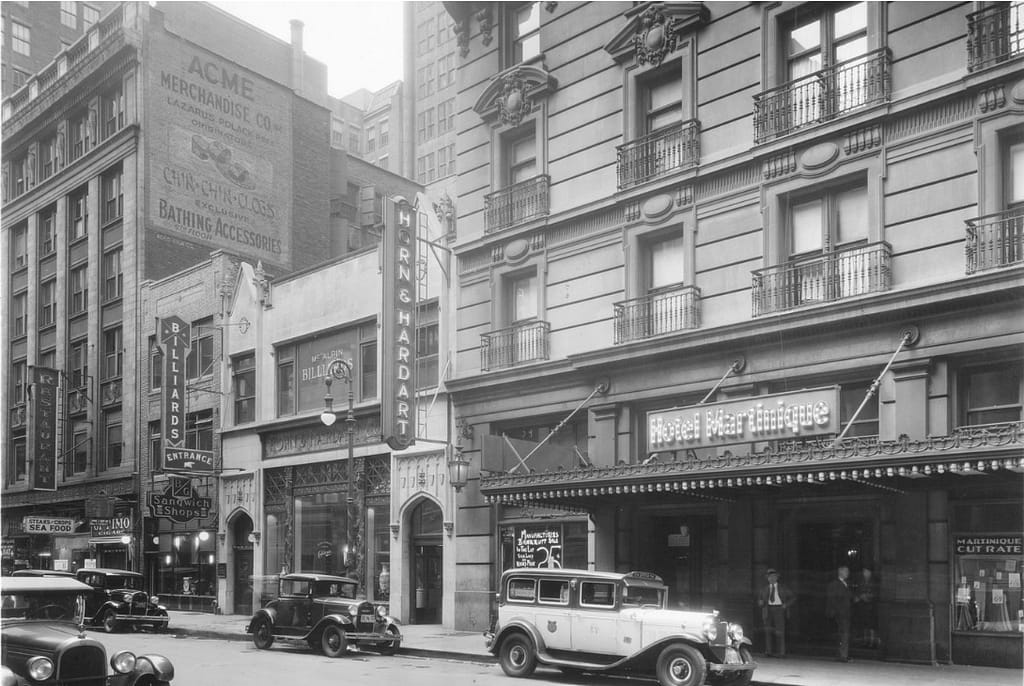
In March 1917, a woman registered under the name “Florence Grey, Boston,” was found strangled in the Martinique Hotel, at 32nd and Broadway in Midtown Manhattan. A short time after that, Harry Helair (spelled “Hilair” in some newspapers) of Brooklyn reported his wife Elsie missing. The two cases seemed unrelated. But the next day, Harry read a description of the victim in the newspaper and came to Manhattan to identify her. Elsie and Florence were one and the same.
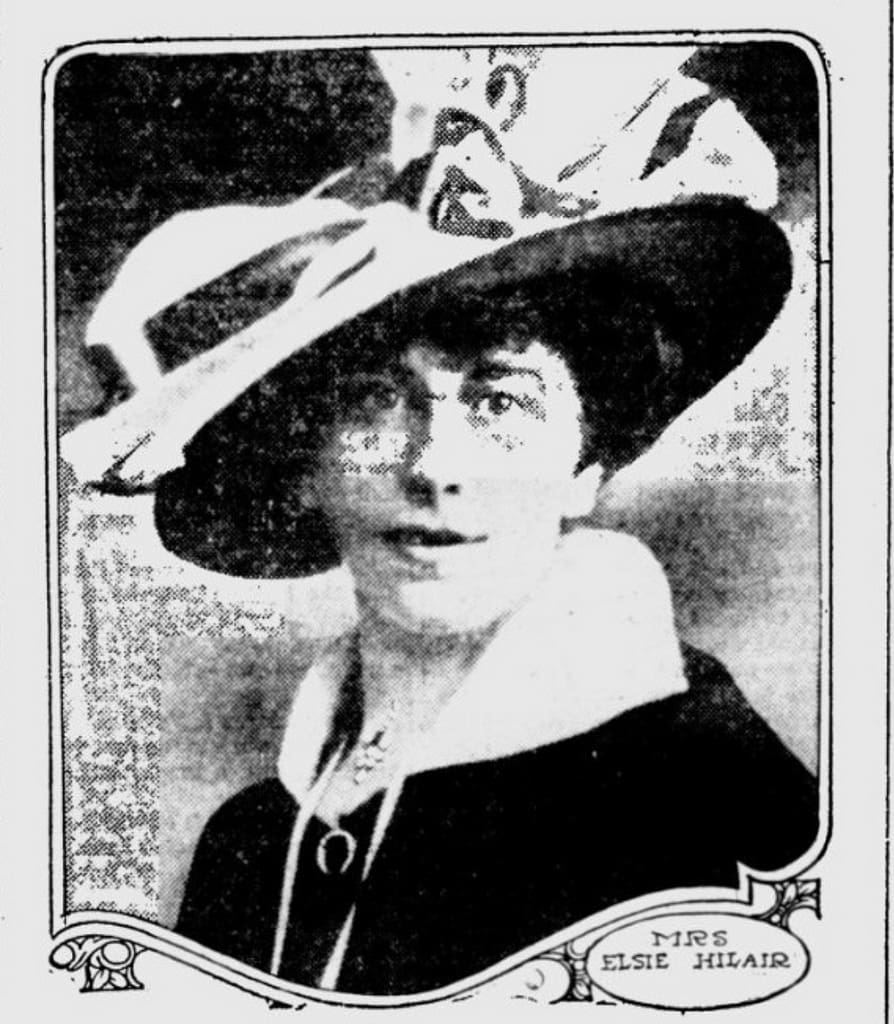
Harry Helair told reporters, “The whole affair is a deep mystery to me. I cannot understand why my wife registered at the Hotel under an assumed name. We have been married fifteen years and have been very happy.”
Why indeed did Elsie do such a thing? According to relatives, two hours before she left her Brooklyn home, Elsie seemed excited upon receiving a telephone call. She announced she was going into Manhattan for a shopping trip and left for the city.
Turns out our Elsie was leading a double life.
Who was Elsie Helair?
Elsie and Harry lived in an upper-middle class apartment in Brooklyn, and though at one time Harry had been a successful furniture store owner, by 1917, he had lost much of that wealth and worked as a salesman. The couple had previously lived in Manhattan, and Elsie often returned to the city under the guise of visiting her mother in New Jersey.
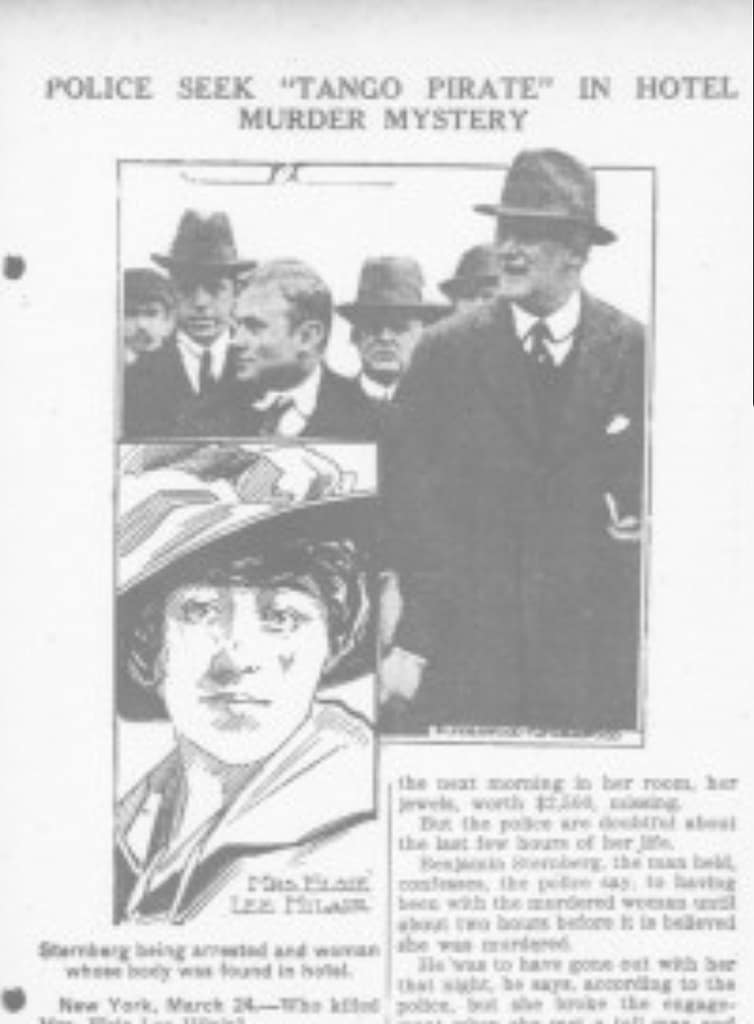
While in the city, she frequented vaudeville theaters and tango parlors—the Argentine dance had recently been making waves in the big cities of the U.S. Elsie had charisma to spare and drew men to her like moths to a flame. One such man was an over-confident, two-bit hustler named Benny Sternberg. When Elsie checked into the Martinique—with no luggage—she had planned a date with Benny. The next day, a maid found Elsie dead in the bed, strangled, and wearing nothing but her stockings and boots. Among the missing items: the $2,500 worth of jewels she had worn into the city the day before.
Benny was the prime suspect and was arrested and charged. But he insisted that although they had had sex, he had left her in good spirits and she was planning to meet another man afterward. Luckily for Benny, the police found a letter from “Florence Grey” to another man in the hotel asking for him to help her become a cabaret singer—maybe another secret she kept from Harry, or maybe the letter was a plant. Another woman came forward to say she saw Benny and Elsie part ways before Elsie met with an older man. And to top it off, police found chestnut hairs in Elsie’s room, which didn’t match Benny’s much darker hair. Benny was also never caught trying to fence the stolen jewels.
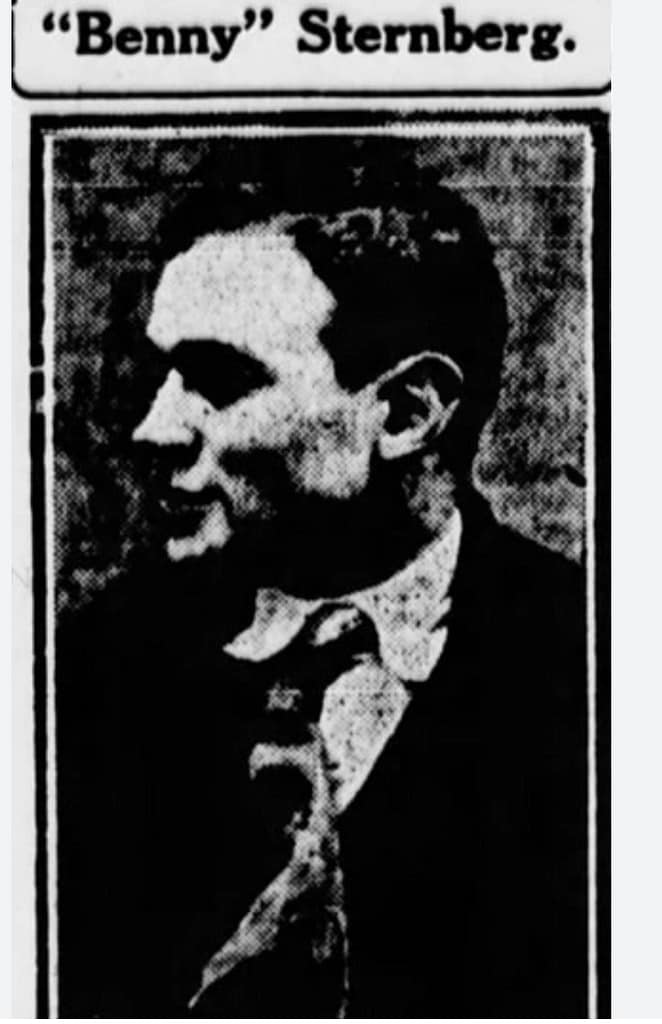
The police never found Elsie’s killer, but the charges against Benny were dropped. He later spent time in prison for stealing furs and died in 1952 of unknown causes. The specter of Elsie’s murder hung over him for the rest of his life, having earned him the nickname the “Tango Pirate.”
My writer’s mental wheels turn
My first thought when I read this story was: here is someone leading a double life. That’s a mystery in itself. Who else would lead a double life?
I wanted to explore the culture and nightlife of 1910 Lower Manhattan, including the vaudeville theaters and LGBTQ communities and their intersection with the different immigrant communities (more to come on those topics in future blog posts). Wouldn’t someone from uptown, where society required buttoning up, need to lead a double life when hiding part of themselves and venturing downtown?
My story’s first victim is identified as Barbara Dunlap when she’s discovered in a downtown hotel, but my protagonist Rose soon discovers Barbara was a much-loved member of the queer community in the Bowery, including patrons of the neighborhood’s theaters and resorts. The hotel in my story is a safe haven. When a similar murder happens at the hotel, that safe feeling turns into a looming threat to the community.
Just like finding a story about Isabella Goodwin sparked the idea for a female detective story in 1910 New York City, a strange murder case involving secrets and double lives inspired the crimes at the center of my story.
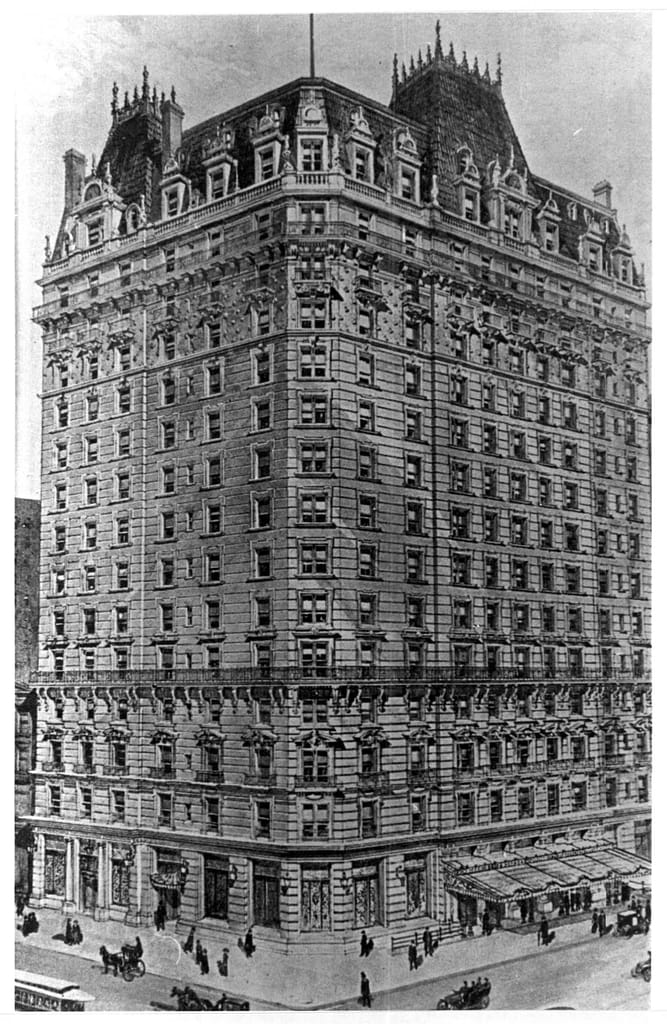
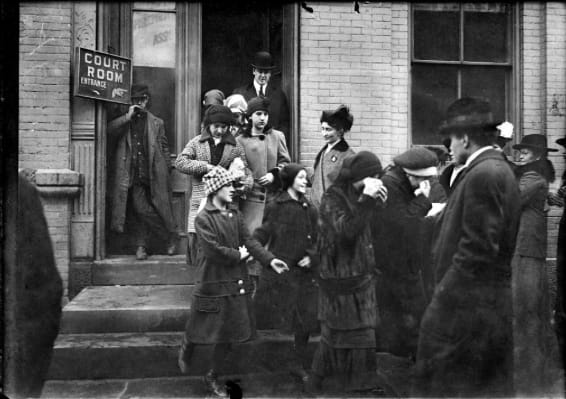
Source for featured image: New York Times photo archives, 1916-1920
Additional resources
Newspapers.com is a great resource for anyone wanting to delve into contemporary articles.
The New York Times TimeMachine is a wealth of information for New York City news.
Murder in the City: New York, 1910-1920 by Wilfried Kaute is a fascinating book, but it’s not for the faint of heart. It features NYPD crime scene photographs interspersed with relevant news articles. The photographs were mainly taken by amateurs, as crime photography was still in its early days. This is a book I have checked out from the library several times (I’m sure they’re starting to wonder), but don’t feel comfortable keeping in my home. From a historical standpoint, it’s a fascinating look at the underworld of a city in the years leading up to Prohibition. The photographs are stark, almost like movie stills, and presented without emotion, but the impact is profound.


Leave a Reply