
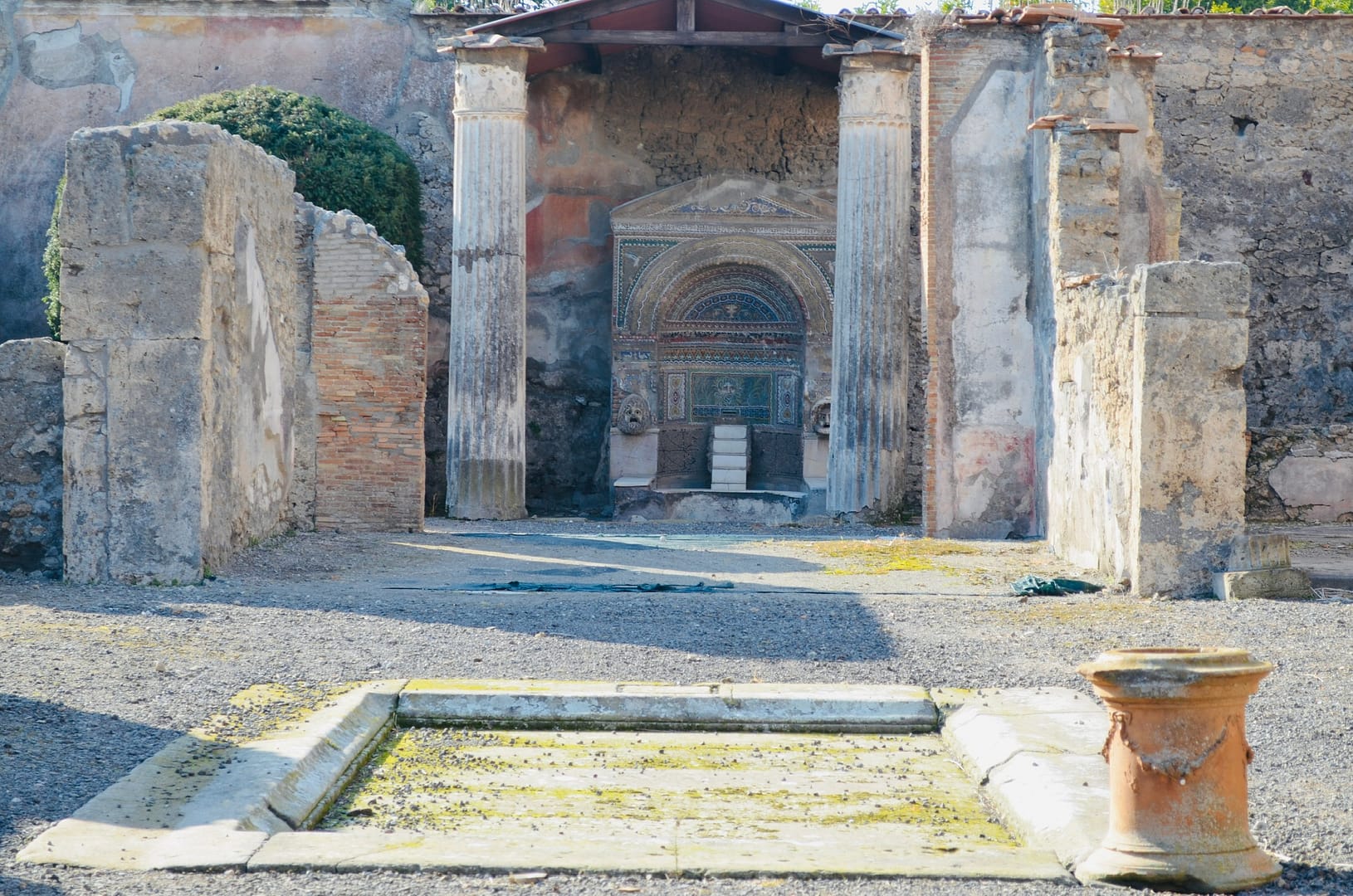
One of the biggest occupational hazards of being a writer is finding story inspiration everywhere. It could be a snippet of an overheard conversation, the gait of someone walking past you, the kind of smile a person gives another. But travel for a historical fiction author is a whole other kind of inspiration. I didn’t travel geographically that far this summer. My imagination, however, traveled over millennia.
Mining for Historical Gold in a California Ghost Town
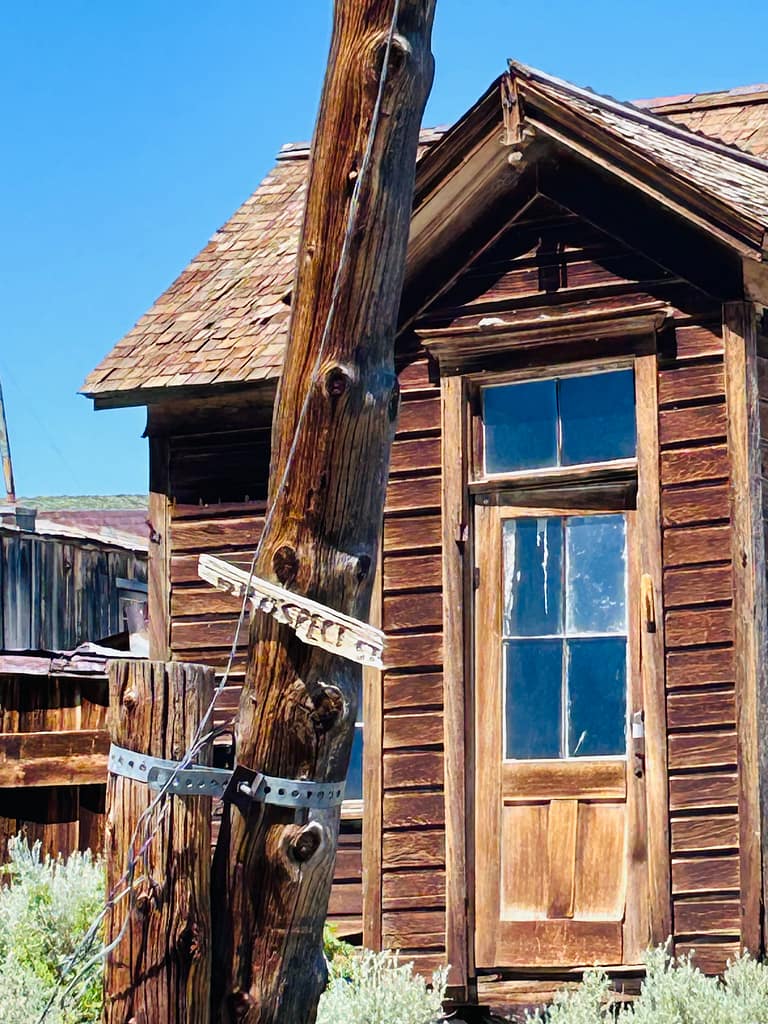
My first stop this summer was Bodie State Historic Park, the largest and best-preserved un-restored gold-mining ghost town in the United States. It is maintained in a state of “arrested decay,” which means buildings contain original furnishings, goods on the shelves, and dishes on the table as people left them. The buildings are maintained but not renovated. About 100 structures remain out of 2,000. At its peak, 1877-1881, the town had about 8,000 residents, 30 different mines, and 60 saloons. The boom didn’t last long, and the population dwindled into the 1900s, with mining ceasing altogether in 1942.
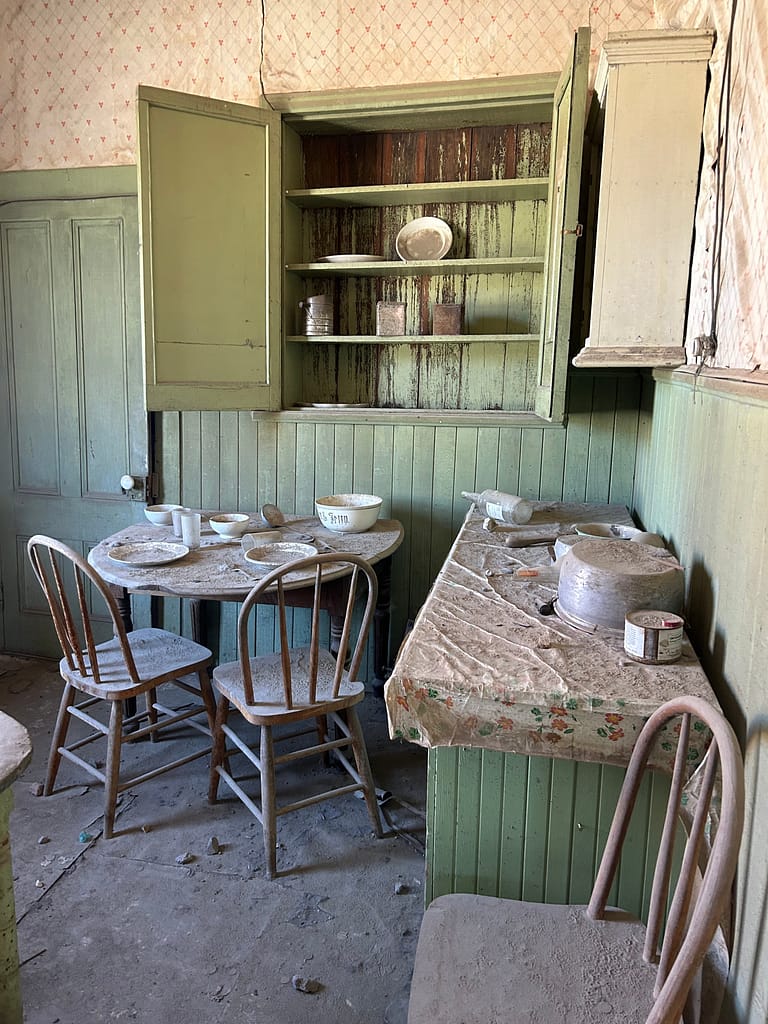
I had visited a couple of restored mining towns in Montana (I wrote about them here), which were fascinating, but something about walking the streets of this isolated town in the eastern Sierras was moving, like an American West version of Pompeii. You could see the remnants of a life: shredded curtains and wallpaper inside dusty rooms, a hat left on the back of a chair, the solid brick remains of the bank safe, the mill towering over the town.
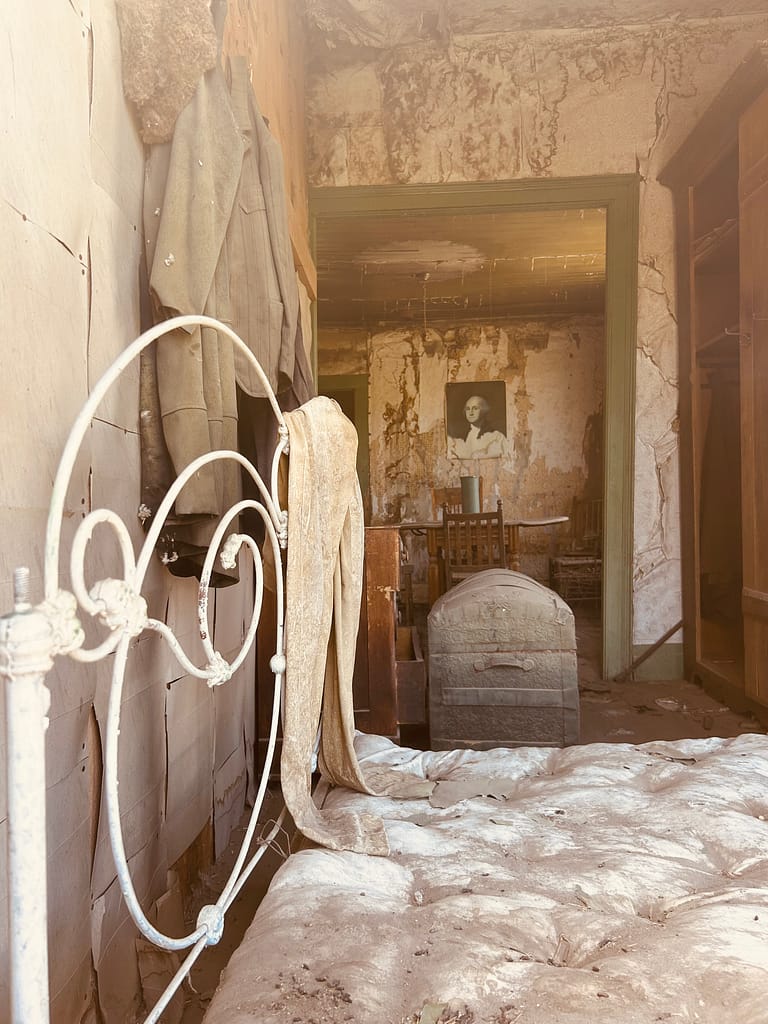
For me, however, as haunting as these places were, I envisioned the people who lived here. The prospectors who came in search of gold and built a town in a place far from everywhere, with hot, dry summers and frigid winters of the nearby Sierras. In fact, W.S. Bodey, the man who the town is named for, never saw it in its full glory. He froze to death during a supply run in the winter of 1859.
My fourth great-grandfather, a physician in Charleston, South Carolina, traveled with his family to New Orleans in 1849. He left them there, never seeing them again, and made his way around South America to northern California in search of gold. He, like most prospectors, was unsuccessful, but when a cholera epidemic broke out, he found a use for his training and skills, pinpointing how the epidemic spread and stopping it. I have long wanted to write his story, and walking the streets of Bodie finally brought it to life in my mind. A few months earlier, I visited his grave in Sacramento. I have his travelogues and the diaries of his son-in-law. There’s a gold to mine here, I’m sure of it.
Excavating Historical Inspiration at the Getty Villa
I have been to Pompeii twice as well as to Herculaneum and to Ostia Antica. There is nothing quite like walking the ruined streets of ancient Roman cities. Like Bodie, it is in those moments where history feels tangible.
While the Getty Villa, perched on a Malibu hilltop, is not the same as being in Italy, it is a remarkable place for a lover of ancient history. Getty wanted to recreate a destroyed villa at Herculaneum. There are thoughtful details throughout the beautiful property, including the basilica (complete with hanging oil lamps), the peristyle gardens, and the atrium with an impluvium (a stone basin underneath an opening to collect rainwater—a common feature in homes in Pompeii and Herculaneum).
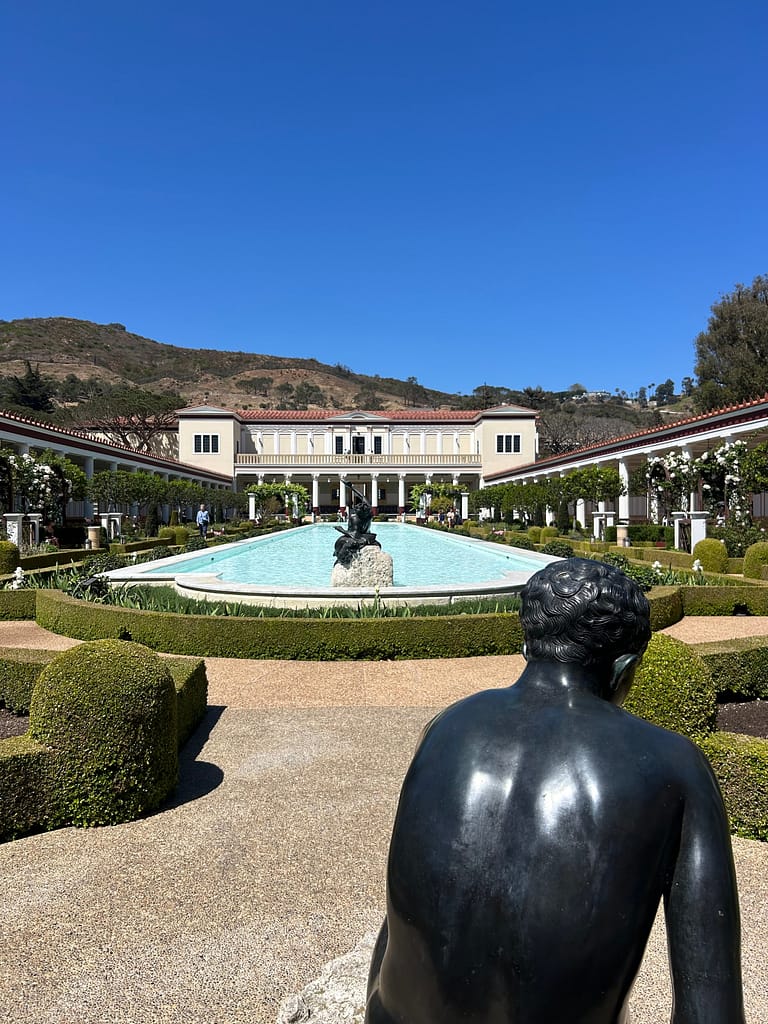
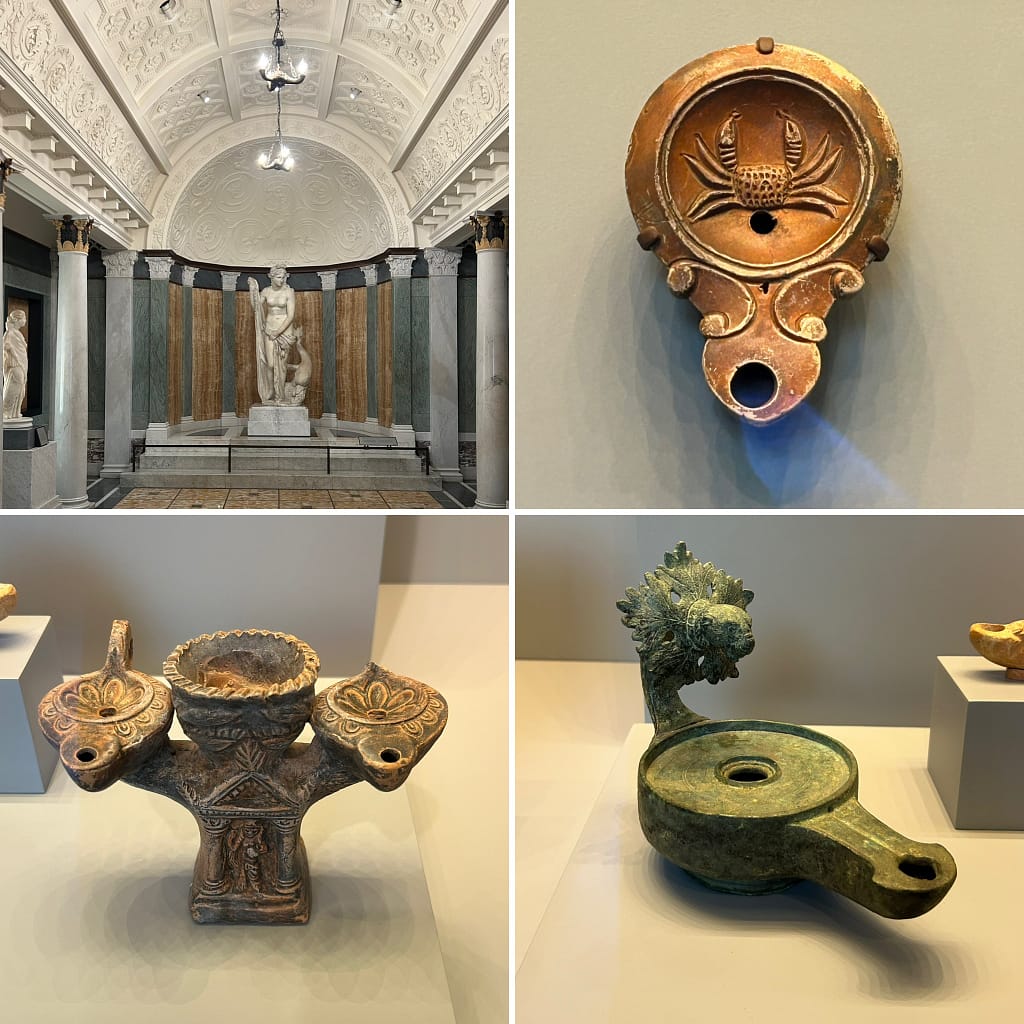
The collection itself is inspiring. I have long wanted to write a book set in ancient Rome but have yet to find the angle. I’m still searching, and the Getty Villa definitely fueled that desire. Two of my favorite things to find in museums are oil lamps and glass vials. I love the quotidian nature of such objects. The Getty has some beautifully preserved examples of these items that were just a regular part of life. Seeing the oil lamps hung in the basilica was a reminder of how ubiquitous they must have been in a home. I also love to see jewelry and coins, something that touched people’s skin, reminding us of the humanity of history.
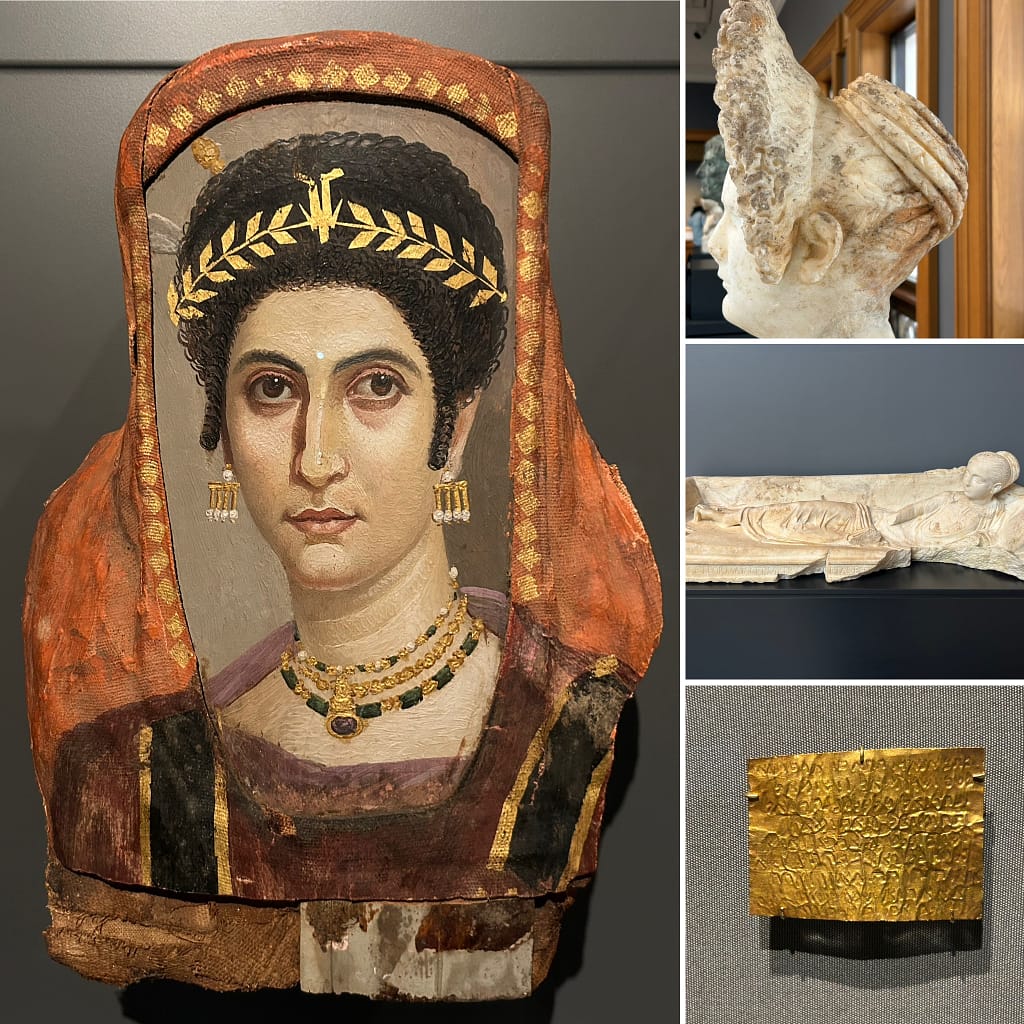
One of the most moving parts of the collection was the grouping of masks that would have been placed in coffins. The details of the faces, especially the eyes, felt so distinctly human. It reminded me that these were living, breathing people who had families who loved them and grieved for them when they were gone. There were amulets calling to protect the vulnerable and tablets to curse those who had done someone wrong. There were statues with intricately braided hair sculpted out of marble and funerary monuments, including one of a little girl with her beloved dog, a touching tribute to someone mourned, someone taken too soon.
One of the reasons I have always loved reading and writing historical fiction is that it breathes life into the past. History tells us what happens, historical fiction tells us what people could have thought and felt about it. Whether over a distance of centuries or millennia, at its heart, history is about human stories. That’s how we connect to each other and to the generations who came before us. Traveling to the historical place is fantastic, but inspiration can also be found in the objects people used every day or in imagining what it felt like to walk in someone’s actual home.
All photos by Kate Robertson. Featured image is from my last visit to Pompeii.
Leave a Reply